Last night I was pleasantly surprised when Justin Balaski—a thought leader from Canada—referred to an experience I had with a hiring manager earlier this year. During the interview, the process was paused and I was told, “change management is more than having chats with people.”
I was deeply shocked by the comment and withdrew from the recruitment. It did more than signal a misalignment with the role; it was an unintentional attack on something I care about deeply—understanding people.
Understanding people is all about asking questions and listening. If we cannot build the basis for dialogue, we cannot build the basis for individual transition. PROSCI makes this abundantly clear: organisational change is the aggregate of individual transitions. Understanding people builds empathy, and empathy builds trust. It is in this stable environment that people will engage.
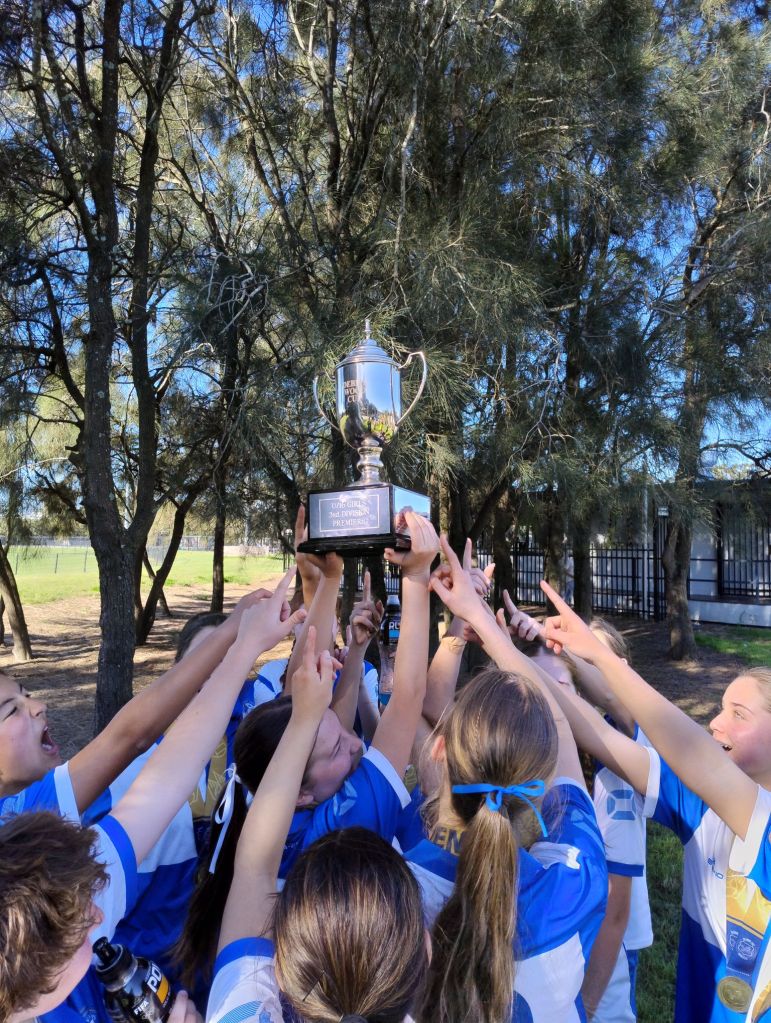
I learned this as a social worker working in the mental health systems of Sydney in the late 1990s. More recently, my learning about dialogue and trust emerged through coaching my daughter’s football team. Despite being experienced with people and systems, I made the error of contracting with the team as an expert—handouts on formations, principles of play, and expectations of players.
Unsurprisingly, the players glazed over. One even folded the handout up as if to tear it in two.
Even with all my experience, I misread the situation. Footballers, employees, people in psychiatric hospitals—all respond to being heard and understood. They do not respond to a display of how technically proficient you think you are as a leader, football coach, or change manager.
With this reminder, I pivoted my approach. I focused first on building relationships with each player and the broader group as a platform to impart knowledge. Alongside individual chats, a system of training and game preparation, I aligned players to positions that showcased their strengths. When the players saw that I cared deeply about how they played—and how they felt—it built trust.
Over time, I noticed the players looked at me differently. I was no longer someone demonstrating how good I was, but someone investing in them—to build their performance and their sense of themselves. This is the most critical piece when coaching 16-year-old girls.
Three months ago, this team won the grand final deep into extra time. They did not lose a game all season. They executed the game plan to perfection. My input on grand final day was encouragement from the sideline and individual tactical prompts in the dugout and before the game. The trusting relationships were already there.
The best part? They were not the best collection of individual players in the competition. They were, however, the best team—powered by trust built on dialogue.
For leaders and change practitioners, this experience reinforced two things for me:
- Dialogue is not the opposite of delivery; it is the precondition for it.
- When people feel seen and heard, execution follows. When they don’t, no amount of technical expertise will compensate.
Chats aren’t the soft part of change.
They are the oxygen of transition.
Thanks to Justin Balaski for reflecting this experience in a recent post — a reminder that dialogue is not the soft edge of change.
 208 Transition
Leave a comment